


As committed reviewers of the online slot industry, we recognise that security is the foundation of any enjoyable gaming experience. For UK players enjoying the fiery classic, 40 Burning Hot Slot, the question of fraud prevention is paramount. The UK market functions under one of the world’s most rigorous regulatory frameworks, crafted to protect players at every turn. In this analysis, we will analyze the multi-layered security system that protects your play. From the licensing required by the UK Gambling Commission to the advanced technological procedures used by legitimate operators, we will explore how the system is built to ensure fairness, secure transactions, and prevent fraudulent activity. Comprehending these mechanisms is crucial to playing with confidence and appreciating the sizzling action of 40 Burning Hot Slot in a completely secure environment.
The British Gambling Regulator’s Uncompromising Role
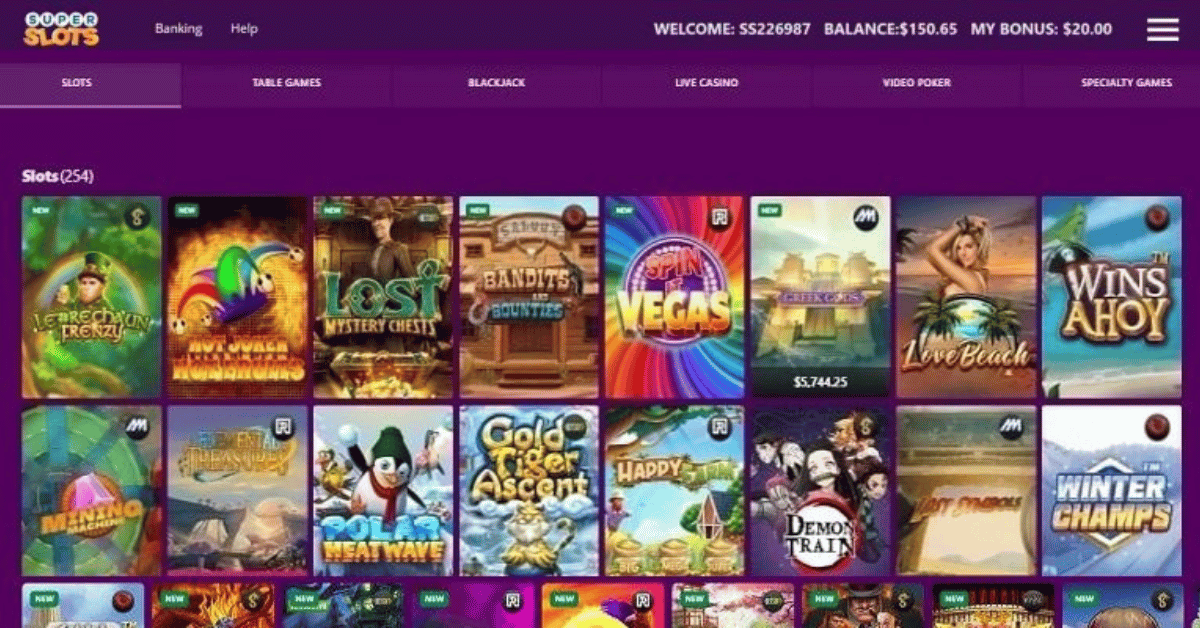
The first and most critical line of defence for any UK player is the UK Gambling Commission (UKGC). This is not an inactive regulator; it is an active, enforcement-led regulator with substantial power. Any casino offering 40 Burning Hot Slot to UK residents must hold a valid UKGC licence, a credential that is far from easily obtained. The Commission mandates stringent standards for operator integrity, financial stability, and player protection protocols. They conduct comprehensive audits and have the authority to issue unlimited fines, suspend licences, or pursue criminal prosecution against operators who breach their rules. This creates a high-threshold environment where only serious, compliant businesses can operate, effectively filtering out rogue entities before they can even access the market. The UKGC’s role is the cornerstone that makes all subsequent fraud prevention measures viable and enforceable.
Licensing requirements and Operator Vetting: The Initial Gatekeeper
Before a single spin on 40 Burning Hot Slot can be presented, the operator experiences a vetting process of remarkable depth. The UKGC scrutinises the company’s ownership structure, financial history, and the personal suitability of its key personnel. This includes background checks to prevent criminal involvement. Additionally, the operator must demonstrate robust policies for anti-money laundering (AML), customer interaction, and social responsibility. The licence itself is conditional on continuous adherence to these policies. For players, this signifies the platform hosting the game has been pre-vetted for integrity. It transforms the licensing badge from a mere logo into a symbol of a comprehensive operational audit. We always advise players to verify the UKGC licence number at the footer of any casino site, as this is the clear mark of a regulated and vetted operator.
KYC Verification (KYC) and Account Protection
The “Know Your Customer” (KYC) procedure is a central component of fraud protection, often misunderstood as mere red tape. When you authenticate your identity by uploading a copy of your passport and a utility bill, you are activating robust protective measures. This process confirms you are of legal age and who you assert to be, stopping identity theft and fraudulent account creation. It also creates a safe link between your identity and your account, making it very difficult for unauthorized individuals to reach your winnings or alter your details. Paired with strong password policies and the support of two-factor authentication (2FA), KYC forms a holistic account security environment. It guarantees that access to your 40 Burning Hot Slot gameplay and funds is limited solely to you.
Safe Payment Methods and Financial Monitoring
The fiscal layer of fraud prevention is just as robust. UKGC-licensed casinos are mandated to offer payment methods that include their own strong security measures. Options like debit cards, direct bank transfers, and established e-wallets like PayPal or Skrill add extra verification steps. Moreover, operators must segregate player funds from their operational accounts. This means your deposit for playing 40 Burning Hot Slot is held in a distinct, protected account, ensuring it is always ready for withdrawal. Crucially, operators employ advanced anti-money laundering (AML) software that monitors transaction patterns for suspicious activity, such as unusually large deposits or rapid withdrawal attempts. This protects the financial system and, by extension, flags possibly compromised player accounts for their own safety.
Technical Safeguards: Cryptography and RNG Certification
Once the oversight system is implemented, technical safeguards form the cyber defense protecting your gameplay. Reputable operators employ 128-bit or higher Secure Socket Layer (SSL) encryption, the equivalent level used by major banks. This technology scrambles all data exchanged between your device and the casino’s servers, leaving personal details and financial transactions indecipherable to any third party. For the game itself, the Random Number Generator (RNG) in 40 Burning Hot Slot is essential. UKGC-licensed casinos must have their games’ RNGs verified by third parties by approved testing houses like eCOGRA or iTech Labs. These audits confirm the game’s outcomes are completely random, fair, and random, eradicating any possibility of the game being manipulated for or against the player. This combined approach of encryption and certification provides both transactional security and game integrity.
Essential Technical Safeguards Explained
Let us examine more closely the two core technical systems that work in tandem. SSL encryption functions as an impenetrable tunnel for your data. When you make a deposit to play 40 Burning Hot Slot, your card details are scrambled into complex code before transmission, only decrypted by the authorised recipient. Simultaneously, the certified RNG guarantees that every spin is an independent event. The certification reports, often publicly available, verify the mathematical randomness of the algorithm. This means the classic fruit symbols fall purely by chance, securing the game’s Return to Player (RTP) percentage is accurate and trustworthy. These are not optional extras but mandatory requirements, continuously monitored to preserve the operator’s licence.
The Importance of Independent RNG Audits
The particular role of independent RNG audits cannot be overstated. These are not performed by the game provider or the casino, but by impartial, UKGC-recognised laboratories. The auditors test countless, if not several million, of game rounds to statistically analyse the output, checking for predictability or bias. For a game like 40 Burning Hot Slot, they check the frequency of winning combinations and the distribution of bonus triggers matches the published theoretical metrics. This process provides the scientific proof of fairness that supports player trust. It is a clear safeguard that blocks the operator or software provider from tampering with the game’s core mechanics, making fraud through software manipulation practically impossible in the regulated UK space.
Recognising and Evading Unlicensed Operators
Despite the UK’s strong defences, the risk moves to unlicensed, offshore casinos that illegally aim at UK players https://40burninghot.net/. Our analysis must include how to identify and avoid these threats. Key red flags include the absence of a UKGC licence number, offers that seem too good to be true, and a lack of clear terms and conditions. These sites may provide 40 Burning Hot Slot but function outside UK law, signifying your funds and data are unprotected. They may employ unverified software, postpone or reject withdrawals without cause, and have no obligation to treat players fairly. The safest practice is to exclusively use casinos that prominently display their UKGC licence and are based on our curated lists of approved operators. This proactive vigilance is the final, crucial layer of personal fraud prevention.
Summary: A Cooperative Security Model
In conclusion, the security of playing 40 Burning Hot Slot in the UK is not based on a one solution but on a multi-agency model. The UK Gambling Commission sets and enforces the strict standards. Licensed operators apply them through verification, security, and fair software. Independent testing agencies supply the validation of game integrity. Finally, the knowledgeable player, by choosing licensed sites and completing KYC checks, completes the circle. This interconnected system builds a hostile environment for scammers and a secure one for players. As reviewers, we can confidently state that by engaging with the regulated market, UK players can focus solely on the electrifying volatility of the game, confident that solid, invisible frameworks are continuously working to keep their session safe, fair, and safeguarded.